
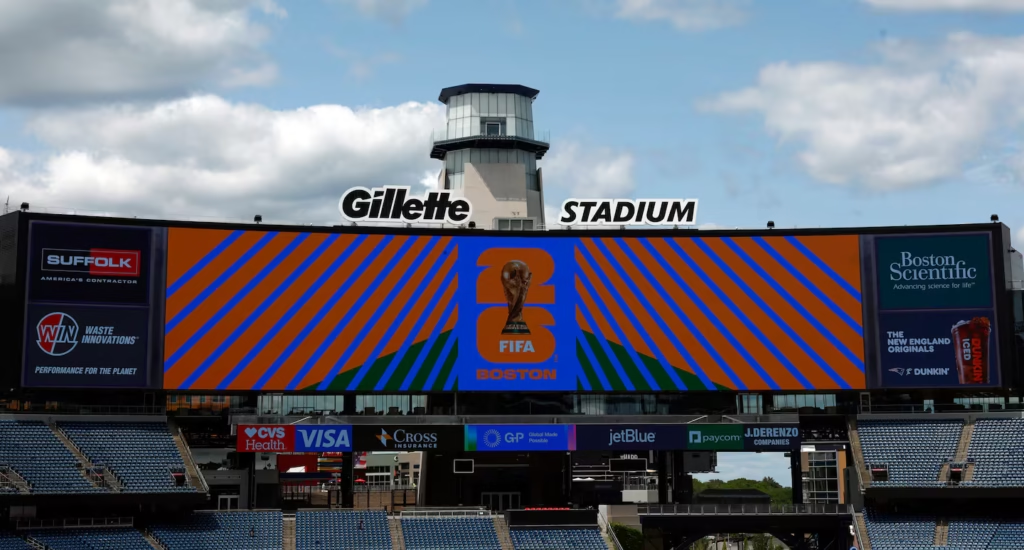
For Ecuadorian football fans watching the World Cup build up from home or planning a trip to the United States one host-city update is worth noting. Boston World Cup tailgating is back on the table after FIFA clarified its earlier position, giving supporters at Gillette Stadium a more familiar matchday feel.
The decision matters because Foxborough has its own rhythm. Fans do not just arrive enter the stadium and leave. They gather early, share food, talk football and turn the parking lots into part of the event. Now that tradition will remain part of Boston’s World Cup plan.
At the same time New York is moving in another direction. Instead of focusing only on stadium access city officials have announced free fan events across the five boroughs. Together both updates show how American host cities want to shape the World Cup outside the 90 minutes on the pitch.
Boston World Cup tailgating gets the green light
Boston’s World Cup organizers confirmed that tailgating will be allowed before matches at Gillette Stadium. FIFA had first given the impression that the practice would not fit tournament rules. However the governing body later clarified that it does not have a blanket ban on tailgating.
That clarification opened the door for Boston. Local officials found no public safety rule or venue restriction that blocked the practice so fans will be able to gather before games in the stadium lots. For supporters in Massachusetts this is more than a small policy change. Tailgating is part of the culture around Patriots games, New England Revolution matches, concerts and major events in Foxborough. Bringing it into the World Cup keeps the local identity alive.
Why this decision matters to Ecuadorian fans
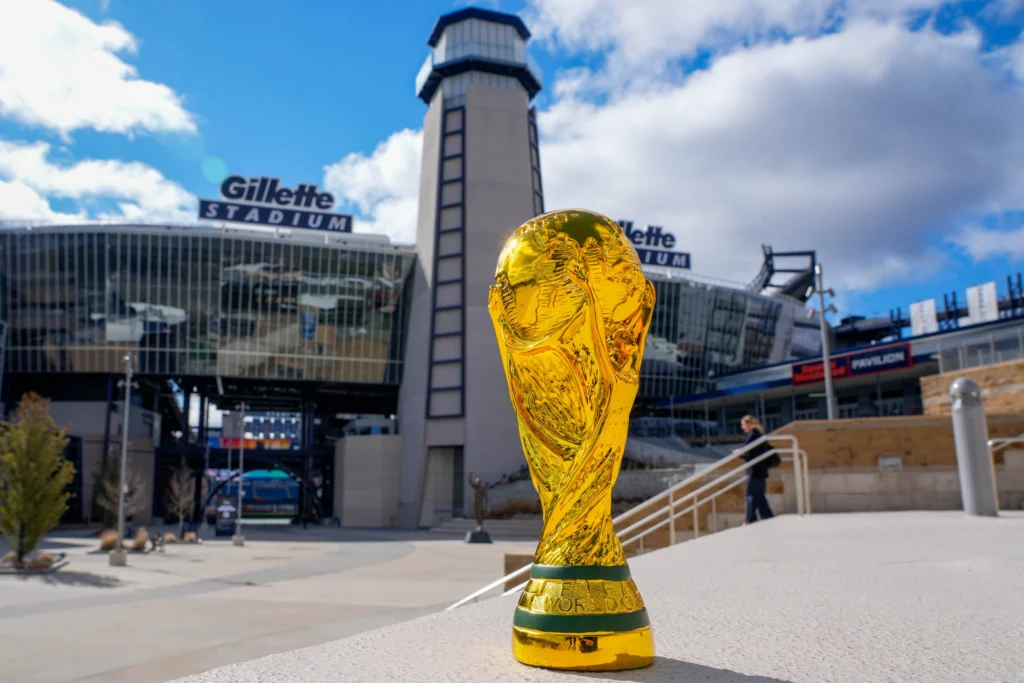
From Ecuador this story may look like a detail about parking lots. In reality it says plenty about how the 2026 World Cup will feel for visiting fans.
Many Ecuadorian supporters know that a World Cup trip is not only about the ticket. Travel, food, transport, safety, time and atmosphere all shape the experience. A good matchday setup can make a long trip feel smoother. A poor one can turn a dream fixture into a stressful day. Boston’s update gives fans a clearer picture. The city wants to protect a local matchday custom while still working inside FIFA’s tournament structure. That balance will matter across all host cities.
The catch - fewer parking spaces and higher travel costs
Tailgating has returned, but it will not look exactly like a regular NFL Sunday. Public parking at Gillette Stadium will be far more limited during the tournament. Reports around the host plan point to about 5,000 public parking spaces for World Cup matches. That is much lower than the roughly 20,000 spaces often linked with big stadium events in Foxborough.
Transport costs also remain a concern. The special train service from Boston to Foxborough has drawn attention because of its planned round-trip price. A separate express bus option has also been discussed at a higher cost. So yes fans can enjoy the pre-match tradition. However they will need to plan earlier than usual. Anyone travelling from Ecuador should check official transport updates before booking hotels, flights or matchday transfers.
New York opens free fan zones across the city
New York is going in a different direction. In order to provide fans a chance to experience the competition without having to purchase a stadium ticket, the city intends to host free World Cup fan events in each of the five boroughs. Manhattan’s Rockefeller Center, Queens’ USTA Billie Jean King National Tennis Center, Brooklyn Bridge Park, the Bronx Terminal Market and Staten Island University Hospital Community Park are among the locations that are planned.
Live match viewing, cultural events, regional cuisine and neighborhood activities should all be included in these fan zones. Families travelling fans and casual supporters can join the World Cup spirit with that kind of setup without having to pay the entire cost of match attendance.
A wider lesson for World Cup 2026 host cities
Boston and New York are not using the same plan but both are answering the same question. How do you make a huge tournament feel accessible, social and worth the effort? Boston is protecting a stadium tradition. New York is spreading the experience across neighbourhoods. Both ideas make sense because the World Cup is not built only inside the stadium.
For Ecuadorian fans that point is important. The best World Cup trips often happen around the match as much as during it. The bus ride, the plaza, the food, the watch party and the walk to the stadium all become part of the memory.
Stay with BETSTAR77 News for Premier League coverage FA Cup highlights, Ecuadorian football news, transfer updates, and the top talking points from Europe’s biggest leagues.