
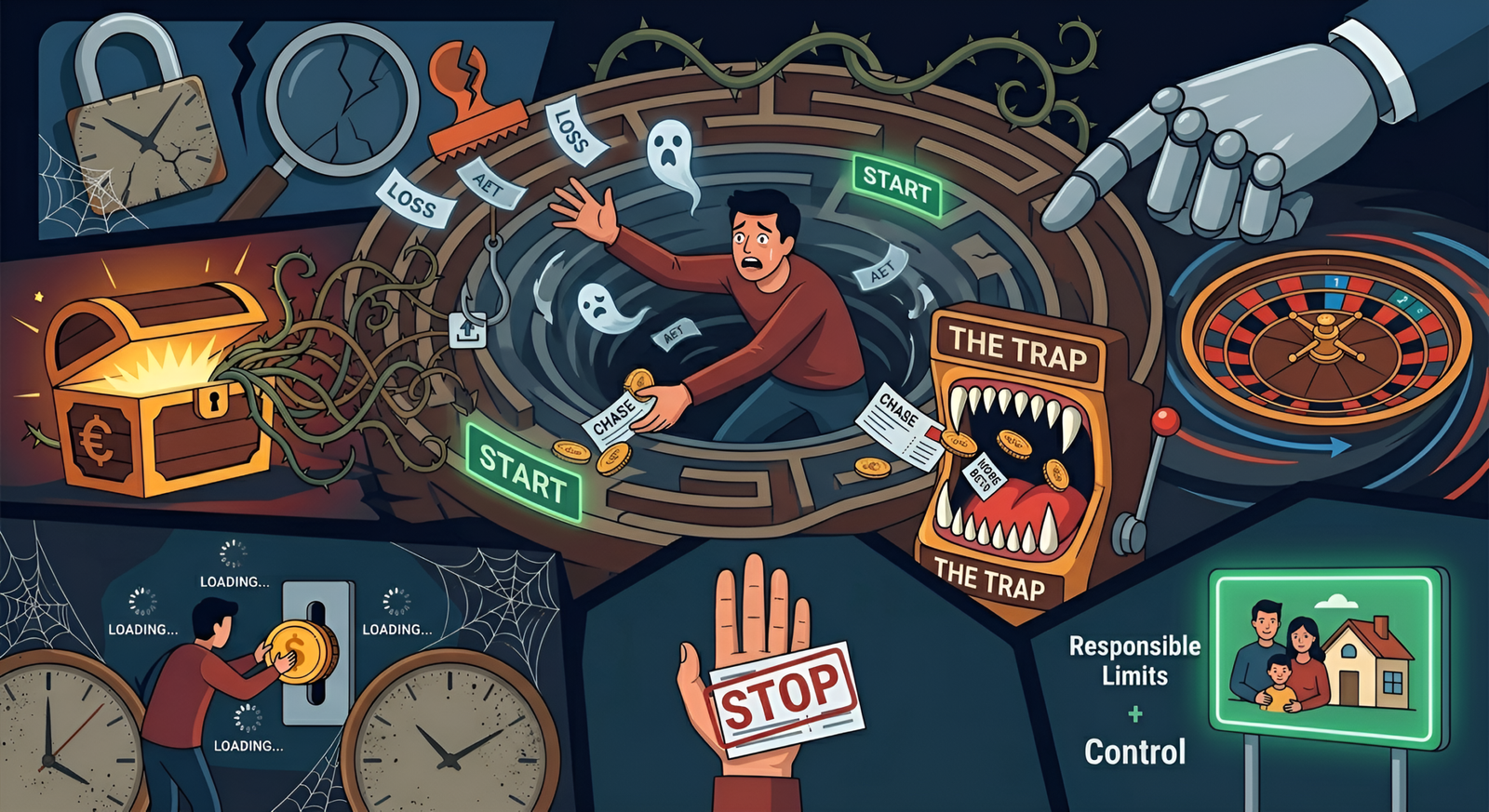
Chasing losses in betting can turn a normal losing run into a stressful pattern. One lost bet leads to a bigger bet. Then another one follows. Soon the goal changes from making a calm choice to getting money back quickly. That shift matters Betting should stay controlled, planned and affordable. When emotion takes over the risk rises fast.
What Does Chasing Losses Mean?
Chasing losses happens when a bettor tries to recover lost money by betting again too soon. The person may raise the stake, switch to higher odds, or place a bet without proper thought.
At first this can feel logical. A bettor may think one strong result will fix the session. However the next bet still carries risk. If it loses too the pressure grows. For that reason chasing losses is not a strategy. It is an emotional reaction. The goal is recovery, not good decision making.
Why Chasing Losses Can Become Risky Fast?
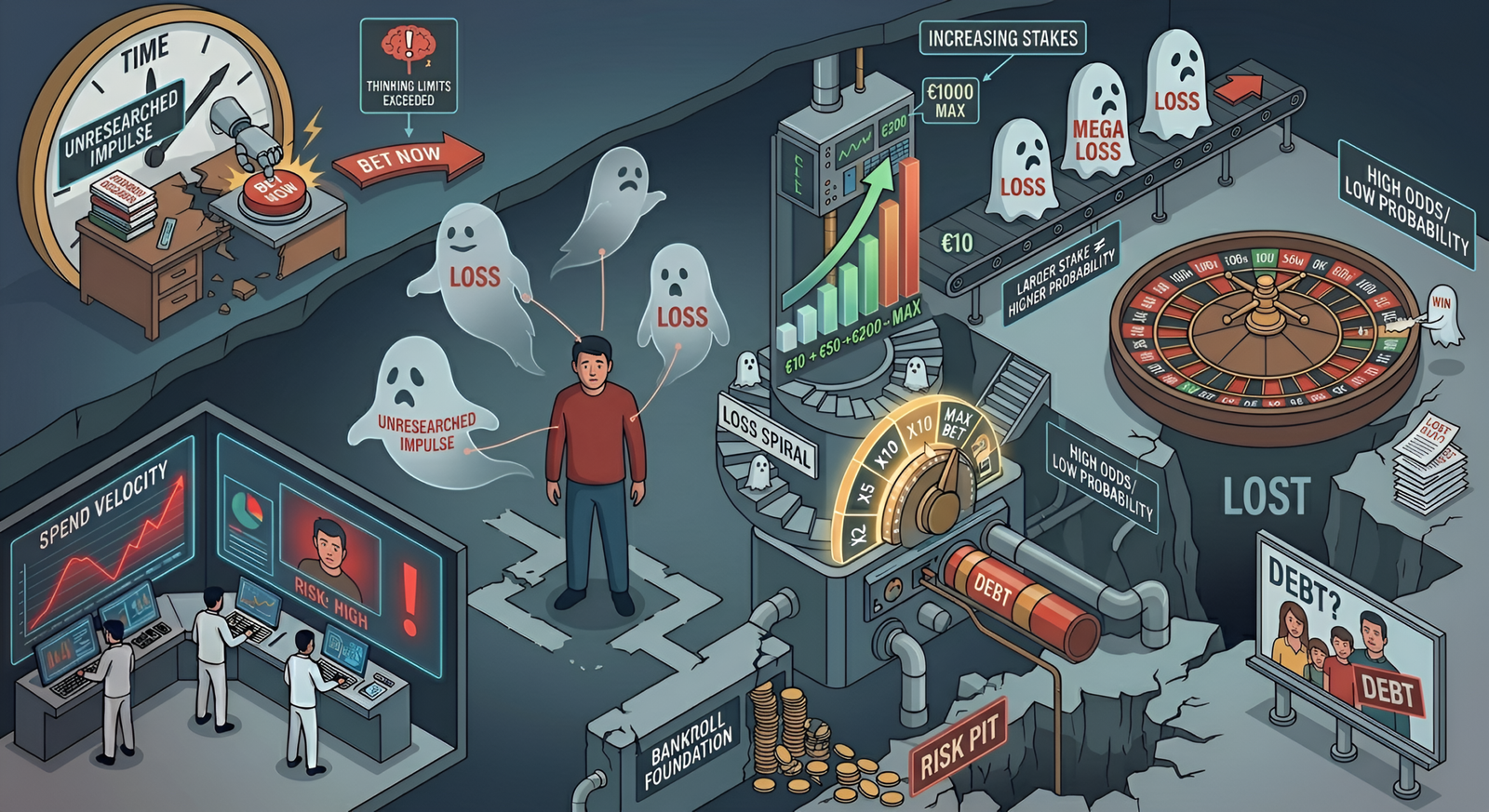
Sports betting always includes uncertainty. Even careful research cannot guarantee a result. So when a bettor increases risk after a loss the situation can become harder to manage.
Emotions Replace Judgement
Losses can create frustration, stress or urgency. As a result the next bet may happen too quickly. The bettor may skip research and focus only on getting back to even. That is where many bad sessions begin. A short pause can break the pattern before it grows.
Bigger Stakes Create Bigger Pressure
Some bettors raise the stake after each loss, this can look like a quick recovery plan. However it increases exposure when the bankroll is already weaker. A larger stake does not improve the chance of a result. It only makes the next outcome more expensive.
High Odds Can Hide Low Probability
After a losing run some people move to riskier selections. High odds may look attractive because one win could cover several losses. Yet high odds usually mean the result has a lower chance of happening. Therefore this approach can extend the losing run instead of ending it.
Common Examples of Chasing Losses
Loss chasing can show up in different ways. The pattern may look obvious in some sessions, but it can also appear in small choices.
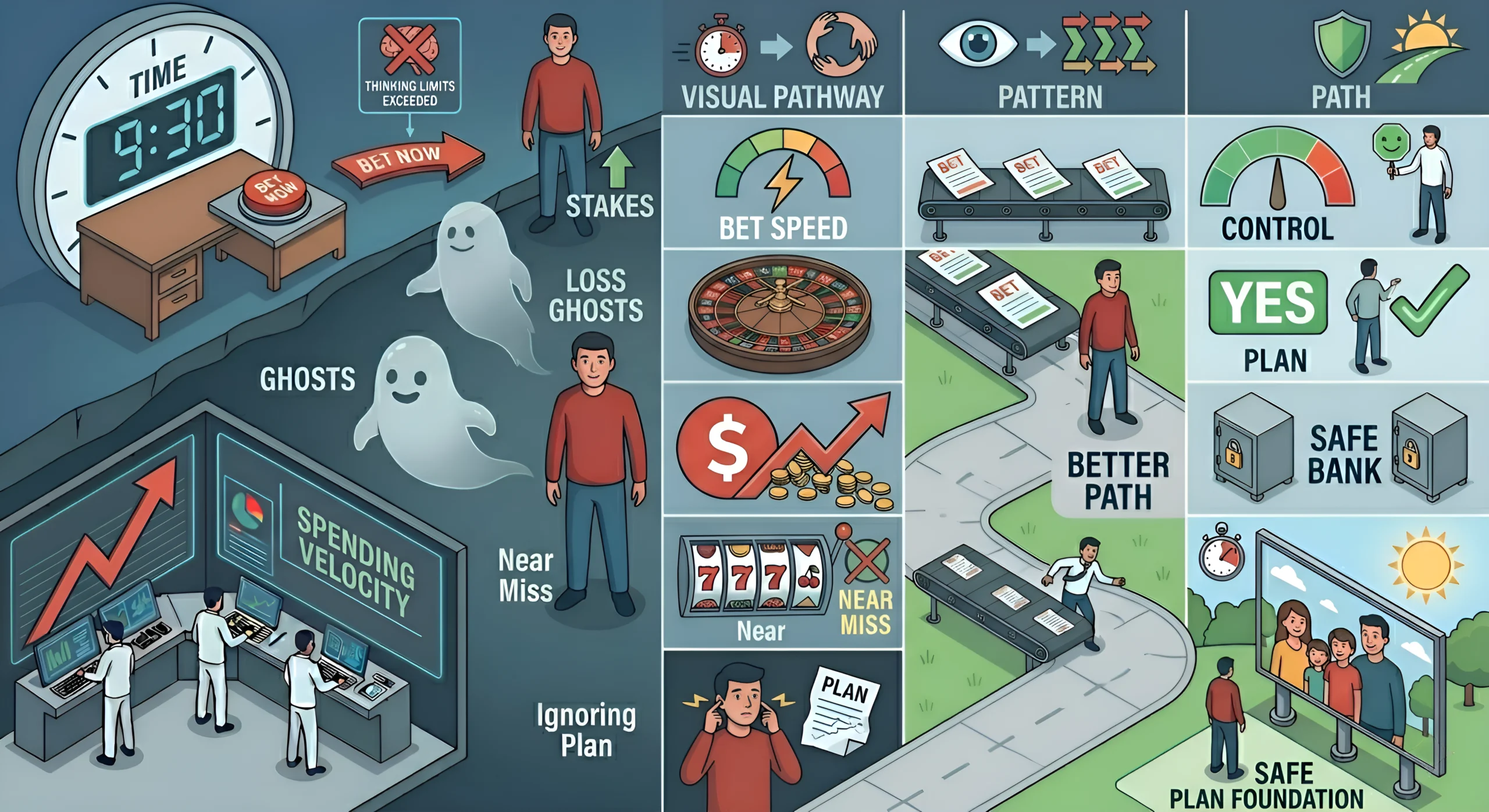
Loss chasing pattern | What it looks like | Safer response |
Increasing stakes | A bettor doubles the next stake after a loss. | Return to the base stake or stop. |
Choosing riskier odds | A bettor moves to long shots to recover money faster. | Only place bets that fit the original plan. |
Breaking the budget | A bettor adds more funds after reaching the limit. | Respect the limit and end the session. |
Betting after a near miss | A bettor feels close to winning and places a rushed bet. | Pause and review the decision calmly. |
Ignoring the plan | A bettor changes rules during a losing run. | Keep rules fixed until the session ends. |
Increasing Bet Stakes After a Loss
This is one of the most common forms of chasing losses. The bettor raises the next stake because the previous bet was lost. Some people call this a recovery system. The problem is simple. A losing streak can last longer than expected. If the stake keeps rising the budget can disappear quickly.
Betting on Riskier Options
Another common pattern is switching to higher odds. The appeal is clear. One big win looks like it could repair the damage. However riskier bets lose more often for a reason. If the choice does not fit the original analysis skip it.
Abandoning the Betting Budget
A betting budget only works when the bettor follows it. Once a person adds extra money during a losing run the budget stops protecting them. A better rule is firm and simple, Decide the limit before the first bet. Then stop when the limit hits.
Trying to Fix a Near Miss
Near misses can feel powerful. A parlay may lose by one selection. A live bet may fail in the final minutes. Because it felt close the bettor may want to try again right away. Still a near miss is a loss. It should not become a reason to raise the next stake.
How to Avoid Chasing Losses?
The best protection starts before the session begins. Clear rules reduce rushed decisions when emotions rise.
Set a Budget Before You Bet
Choose an amount you can afford to lose without affecting bills, savings, food, rent, family needs or daily life. Treat that amount as entertainment money. After that, keep it separate and do not use essential funds. Also do not add more money during the same session.
Create a Simple Betting Plan
A plan does not need to be complex. In fact, simple rules work better under pressure. Write down the sports, markets, stake range, time limit and stop point.
For example a bettor may set a maximum stake per bet and a maximum loss for the day. Once either limit hits the session ends.
Use Stake Limits
Stake limits stop one emotional decision from damaging the full bankroll. They also keep each bet proportionate. A useful rule is to keep every stake inside a preset range. If the range is fixed a losing run cannot force a sudden jump.
Pause After a Losing Run
A short break can prevent a fast mistake. Step away from the screen. Check the budget. Then decide whether the session should continue. If the urge to recover money feels strong, stop. That feeling is a warning sign.
Track Results Honestly
Tracking removes guesswork. Record the starting balance, ending balance, stake size, market type and session length. Over time patterns become easier to see. If certain markets or session lengths lead to pressure, reduce them or avoid them.
Use Responsible Gaming Tools Early
Deposit limits, loss limits, time reminders, cooling off periods and self exclusion tools exist for a reason. Use them before gambling feels hard to control. Responsible gaming tools work best when users activate them early, not after damage has already happened.
What to Do When the Urge to Chase Appears?
The urge to chase often feels urgent. Because of that the response should be clear and immediate,
- Stop betting for at least a few minutes.
- Check your original budget and session rules.
- Do not increase the stake.
- Do not add new funds.
- End the session if you feel angry, rushed or desperate.
- Use a cooling off tool if the pattern keeps returning.
If betting no longer feels controlled, speak with someone you trust or use professional support. Taking a break is a responsible choice not a failure.
Why This Matters for BETSTAR77 Users?
Responsible gaming should sit at the centre of any user in a betting platform. But BETSTAR77 platform always supports verified players with clear rules, age checks, limit tools and safer gambling reminders. Always for users, the safest approach is to treat betting as paid entertainment. If a session stops feeling controlled the right move is to pause or stop.
FAQ
What does chasing losses mean in sports betting?
Chasing losses means placing more bets, larger bets or riskier bets after losing because you want to recover money quickly.
Why is chasing losses risky?
It can push bettors to make emotional decisions, Stakes often rise while the bankroll falls, which can increase financial stress.
Is increasing my stake after a loss a good strategy?
No A higher stake does not improve the chance of winning. It only increases the amount at risk.
What should I do after a losing run?
Pause first, then check your budget and session rules. If you feel pressure to recover money, stop the session.
How can I prevent loss chasing?
Set a budget, use stake limits, track results, avoid emotional betting and activate responsible gaming tools early.
Join the Players Hub...
Connect with other players, share winning strategies, and discover new tips every day.