

What is a crash game algorithm?
A crash game algorithm is the software logic that determines where a round will end. In practical terms, it selects or derives the crash point for that round then the on screen multiplier rises until it reaches that point and stops the game.
The important point is that Players cannot reliably guess the result. A legitimate crash game uses randomization tools and in many cases a provably fair system so the round cannot be predicted in advance in any useful way.
Crash games look simple on the surface. First, a multiplier starts climbing. Then, players decide when to cash out. Finally, the round ends when the game crashes. That visual simplicity is part of the appeal. Behind it, though sits a structured algorithm designed to generate the result for each round in a way that is fast, random and difficult to manipulate.
Many players feel confused because the action looks live and reactive. As a result, they often wonder whether the system decides the result during the round. In most certified crash games the key outcome has already been determined by the time the round animation begins.
What sits at the center of the system?
At the core of most crash games sits random number generation. That does not mean every game uses exactly the same technical structure but the principle is similar a random process helps determine the outcome range for the round.
Some games also use cryptographic seed systems so the player can later verify that the round was not altered after it began. That is where provably fair language becomes important.
Key features of the crash game algorithm
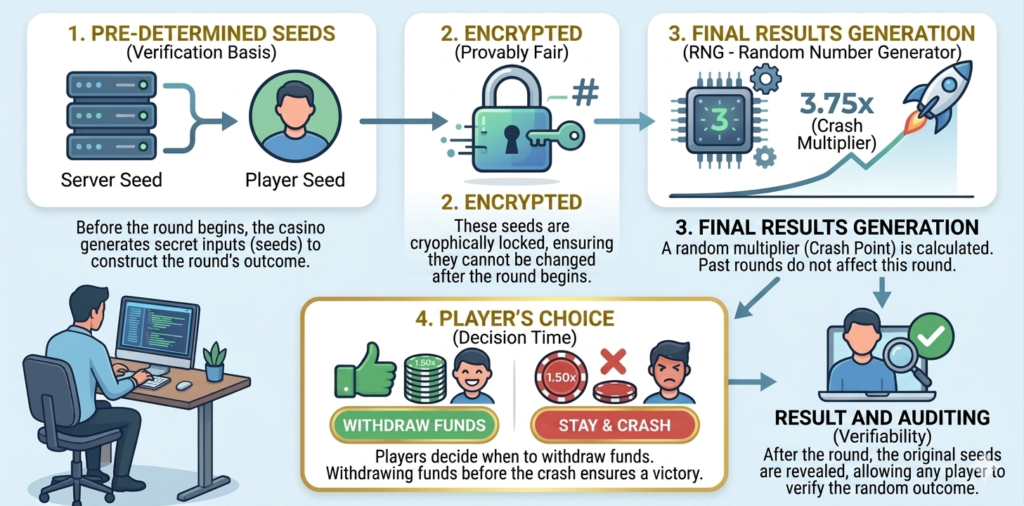
A proper crash game system usually combines several elements. For example, it uses random generation. It also applies fast round settlement. In addition, it includes multiplier logic, house edge math, and fairness verification tools.
The game may also display round history player leaderboards and betting activity in real time. Those features can make the game feel more transparent but they do not change the randomness of the next result.
Provably fair system

A provably fair system uses cryptographic inputs. For example, it combines a server seed and a player seed. Then it hashes them to create the round result.
That does not make the round predictable. It makes the round auditable after it happens. In other words provably fair is about verification not prediction.
Pseudo random multiplier generation
Many games rely on pseudo random number generation, often called PRNG. This system creates results that appear random but follow software rules.
For the player the key takeaway is simple – the multiplier outcome remains unpredictable enough that trying to forecast exact crash points is not a realistic edge.
Real time betting and decision pressure

Crash games create pressure because players watch the multiplier rise live. That design encourages quick decisions. The longer the player waits, the higher the potential reward. However, the risk also increases.
That tension is what gives crash games their identity it is also why responsible limits matter Fast decisions can feel exciting but they can also lead to impulsive play.
How a crash game algorithm works step by step?
First, the system prepares the values that shape the round. In provably fair formats this may include a server seed and a player seed. Those values are combined and hashed to create a unique result path for that round.
Next, the game starts the multiplier animation. The multiplier rises from the minimum level upward until it reaches the previously determined crash point. If the player cashes out early, the round ends as a win. If not the bet is lost.
The result is usually decided before the animation ends
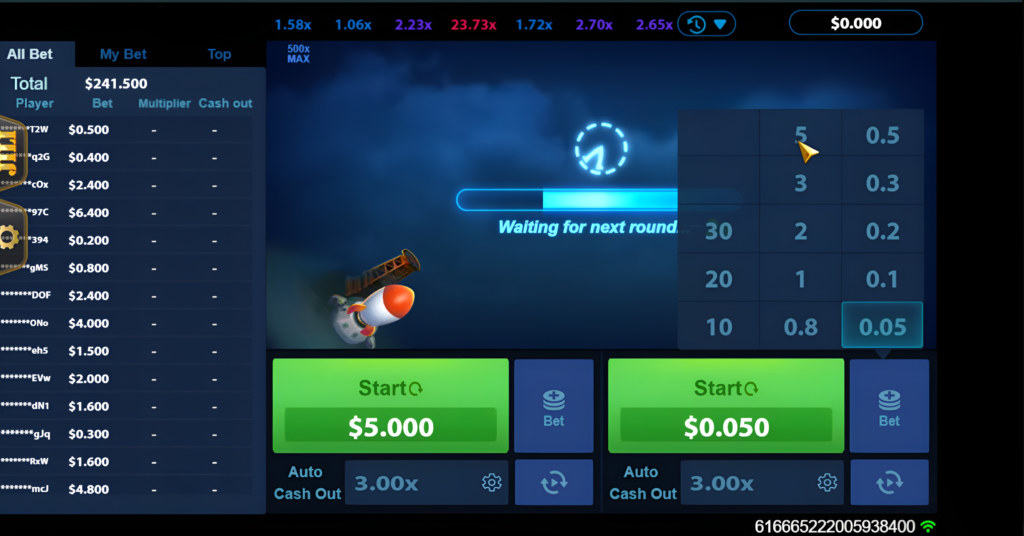
This is the part many beginners miss. The rising multiplier looks like it is building the result in front of the player but in most legitimate crash systems the end point has already been fixed before the visible round fully plays out.
That is why trying to read the speed of the animation, the look of the graph or the timing of the rise does not create a true prediction edge.
Expected value and typical loss in crash games
Expected value often shortened to EV is a long term mathematical view of what a player can expect from a type of bet over time. In gambling EV is normally negative because the game includes a built in advantage for the operator.
That is why crash games can feel generous in short bursts while still remaining profitable for the house over the long run. A player may have strong sessions, but the structure of the game is not designed to hand out a neutral or player-favored expectation over time.
How RTP and house edge fit in?
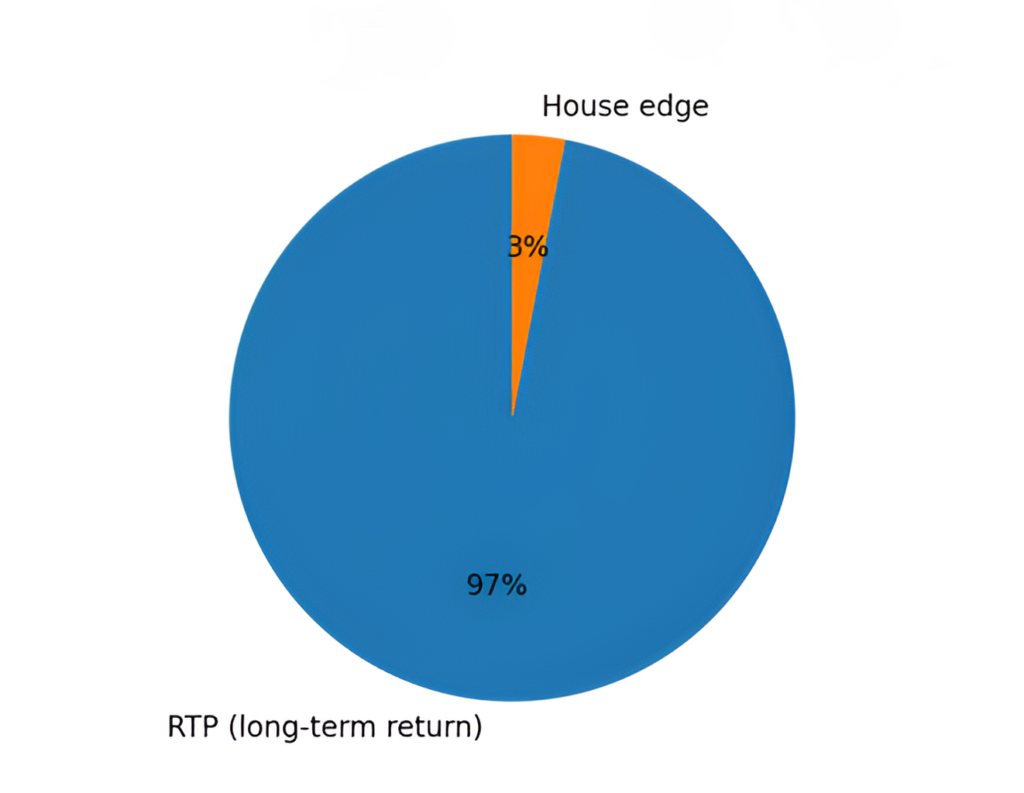
RTP or return to player is the long run percentage of wagered money that a game is theoretically expected to return to players across many rounds. If a crash game lists a 97% RTP the implied house edge is 3%.
That does not mean each player will get 97 back from every 100 wagered. It means the game is built around that statistical model over a large sample, not over a single short session.
Why calculations stay mostly theoretical?
Players often try to use simple formulas to estimate winning chances at different cashout points. These can be useful for understanding the basic tradeoff between lower and higher targets.
Even so real world precision stays limited because the internal algorithm house rules and randomness of each round are not fully exposed in a way that would let a player forecast the next outcome with certainty.
Can an algorithm help predict the next crash point?
No reliable system predicts that in a fair crash game. The next result is not supposed to follow a readable pattern and round history does not create a dependable forecast for what happens next.
That is why claims about predictor bots, AI tools secret scripts, browser tricks or fixed patterns should be treated with caution. They usually sell false confidence not a real edge.
What analysis tools can and cannot do?
Analysis tools can help a player understand the structure of the game review round history compare RTP inspect provably fair hashes and evaluate how aggressive or conservative a chosen cashout style may be.
What these tools cannot do is reveal a guaranteed future result. They can describe the game. They cannot break the randomness at the center of it.
Automated betting and why caution matters?
Some crash games include auto bet or auto cashout tools. These can reduce repetitive manual input, but they do not change the mathematics of the game.
Automation can make a session feel smoother, but it can also make losses accumulate faster if the player stops actively thinking about limits. Convenience should never be confused with an advantage.
Crash strategies and the reality behind them
Players often discuss progressive systems, low-cashout approaches, or loss-recovery ideas. These strategies can change the pace of a session, but they do not remove house edge or make the game predictable.
A betting pattern may produce a result that feels smart over a short stretch, but that is not the same thing as proving it defeats the underlying algorithm.
What matters more than strategy claims ?
In practice, the more useful habits are simpler: understand the RTP, know the house edge, set a budget before the session starts, avoid chasing losses and treat any crash round as unpredictable no matter what happened in the last ten rounds.
That mindset is not flashy but it is much more realistic than searching for a system that promises to decode the next crash point.
Crash games in Ecuador
For Ecuador who are researching crash games the most valuable starting points are fairness, licensing, transparency and risk awareness. A clean interface or exciting multiplier curve tells you very little on its own.
What matters more is whether the platform is age restricted , whether the game offers clear information about fairness and RTP and whether the adult user understands that no strategy removes risk.
FAQ
What is a crash game algorithm?
It is the software logic that determines where a crash round ends and how the multiplier behaves before the round stops.
What does provably fair mean in crash games?
Provably fair means the game uses cryptographic inputs that help verify the result after the round showing that the outcome was not altered after it began.
What does RTP mean in a crash game?
RTP is the long term percentage of wagered money a game is theoretically expected to return to players over many rounds.
Join the Players Hub...
Connect with other players, share winning strategies, and discover new tips every day.